

December QMNC Research Roundup
QMNC members shared a wide-ranging and timely collection of research this month, spanning measurement and evaluation of birth environments, organisation of maternal and newborn care systems in high income countries, workforce preparation for rural and underserved settings in the US, midwifery support for perinatal mental health in Italy, community-based prevention strategies in Indonesia, and a critical reflection on European professional language and identity. Also included is a modified Delphi consensus study using the QMNC Framework to set a coordinated research agenda for midwifery in Canada.
We invite you to explore this month’s research roundup!
Measuring Women’s Experiences of Birth Environments
A newly validated scale captures how birth settings are perceived and offers a tool to inform the design of more supportive and comfortable care environments.
 Shared within the Transforming Birthspace Group, this newly published descriptive psychometric study in the Journal of Obstetric, Gynecologic and Neonatal Nursing by December Maxwell, Ricky Munoz, Sarah Leat and Jennifer Heck, introduces the Birth Environment Assessment Scale (BEAS). Using survey data from 343 women who had given birth within the previous five years, the authors determined that the BEAS is a valid and reliable measure of women’s perceptions of the birth environment and present it as a practical tool to assess and guide supportive and comfortable birth settings.
Learn more about the Transforming Birthspace Group here.
Organisational Elements That Transform Maternity Care
Personal care continuity, midwife-led care, and birth outside obstetric units show improved outcomes and experiences, but systemic shifts are needed for wider adoption
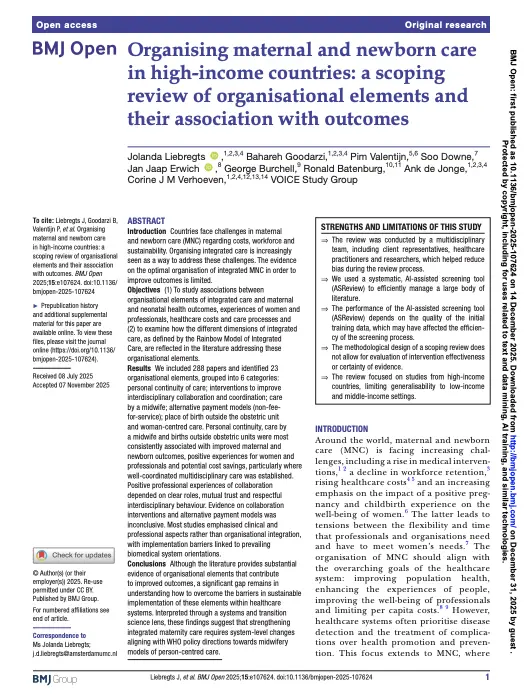 “Organising maternal and newborn care in high-income countries: a scoping review of organisational elements and their association with outcomes,” just out in BMJ Open, was shared by lead author Jolanda Liebregts, with co-authors Bahareh Goodarzi, Pim Valentijn, Soo Downe, Jan Jaap Erwich, George Burchell, Ronald Batenburg, Ank de Jonge, Corine J M Verhoeven and the VOICE Study Group. This comprehensive scoping review explores how organisational elements of integrated maternal and newborn care in high income countries relate to outcomes, experiences of women and workers, costs, and care processes, matched against the dimensions of care outlined in the Rainbow Model of Integrated Care.
The review included 288 studies and identified 23 organisational elements which were grouped into six categories: personal continuity of care, interdisciplinary collaboration, care by a midwife, alternative payment models, place of birth, and woman-centred care. While organisational elements like personal care continuity, midwife-led care, and birth outside obstetric units are associated with improved outcomes and experiences, their wider adoption is often limited by biomedical, protocol-driven health systems. It concludes strengthening integrated maternal and newborn care requires system-level changes in routines, professional relationships, and care paradigms, supporting transitions toward midwifery-led, person-centred models as recommended by WHO.
Closing Gaps in Rural Maternity Care
A cocurricular program strengthens midwives’ readiness to provide primary maternity care in rural settings.
Katy Kissler shared “Development of a Cocurricular Program to Prepare New Graduate Midwives for Rural Practice,” an open-access Innovations from the Field article in the Journal of Midwifery and Women’s Health, describing the development of the Colorado Rural Midwifery Workforce Expansion Program, which operationalises national workforce aims through a rural midwifery track and the Preparation for Rural Professional Practice (PRPP) curriculum.
The authors, Shannon Pirrie, E. Brie Thumm, Kissler CNM, Jessica L. Anderson, Lindsey Bischoff, and Denise C. Smith, describe how the PRPP integrates didactic and clinical training, leadership development, and mentorship to better prepare graduates for the realities of rural practice. The paper highlights the importance of targeted workforce preparation in addressing persistent gaps in maternity care access and argues that structured rural training pathways can support midwives’ successful integration as primary maternity care providers in underserved communities.
Are you involved with rural education? Continue the discussion here.
Setting a Research Agenda for Midwifery in Canada
A QMNC Framework–informed analysis outlines priorities for advancing quality, equity, and system transformation in Canadian maternal and newborn care
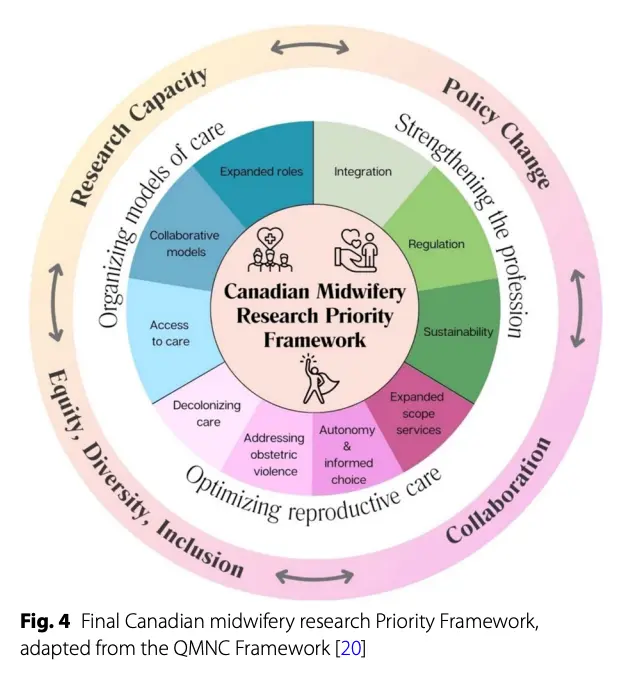 Shared by Cristina Mattison, "Developing a Canadian midwifery research priority framework: a Delphi consensus study" published in Health Research Policy and Systems, by Beth Murray-Davis, Emma Ruby, Joanne Rack, Sofia Al-Balkhi, Lindsay Grenier, Ginny Brunton, Elizabeth K Darling, Eileen K Hutton, Laura Banfield, Mattison, and Karyn Kaufman explicitly builds on the Quality Maternal and Newborn Care (QMNC) Framework to develop a unified national research agenda for midwifery in Canada. Using a modified Delphi process that included a scoping review, national survey, regional focus groups, and follow-up surveys, the research team engaged midwives, researchers, service users, students, and policymakers to identify and prioritise key areas for future research.
The resulting framework identifies three research priority areas: organising models of care, optimising reproductive care, and strengthening the profession. The study demonstrates how the QMNC Framework was used both to structure the initial evidence synthesis and to guide stakeholder reflection on gaps, facilitators, and future directions. The authors emphasise the importance of coordination, collaboration, and research capacity building to support the continued growth and effectiveness of midwifery in Canada, while noting the relevance of their approach for similar efforts internationally.
Continue the discussion here
Supporting Emotional Wellbeing: Midwives’ Strategies in Perinatal Mental Health
Italian study highlights five key professional knowledge pillars guiding midwives’ practice.
Elena Tarlazzi and colleagues shared findings from this qualitative study, “Midwives’ perspectives on exploring emotional well-being during prenatal and postnatal care in the Italian context (BEN_EM_OS study)” in Midwifery, exploring Italian midwives’ perspectives on perinatal mental health screening. Using interpretive description methodology and in-depth interviews with 24 midwives, the study examined barriers, facilitators, and professional strategies used when addressing emotional well-being during pregnancy and the postnatal period.
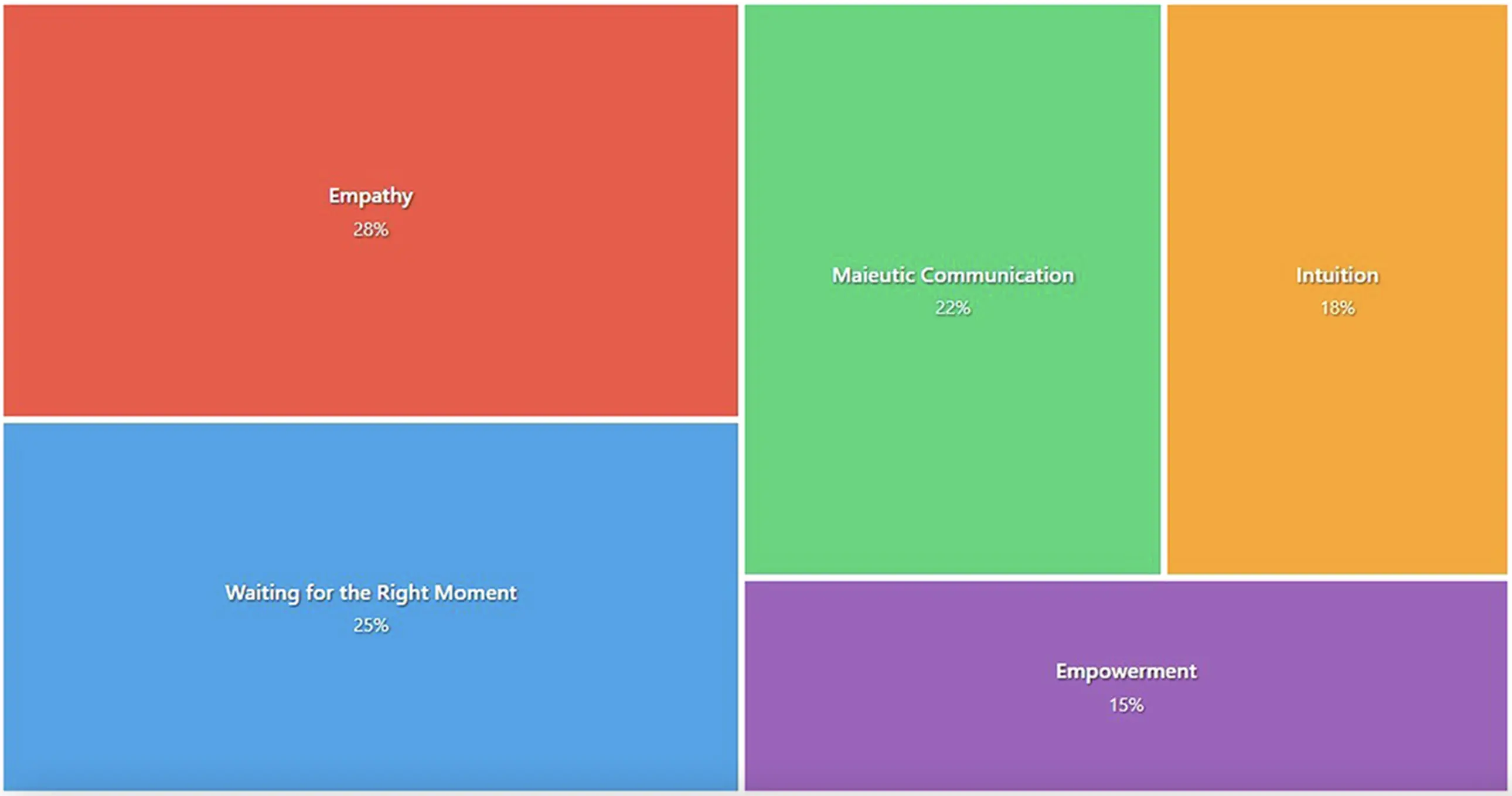 Tarlazzi and authors Naomi Sacco, Lucia Branchini, Giuliana Simonazzi and Dila Parma identified five key professional knowledge pillars guiding midwives’ practice: Maieutic Communication, Waiting for the Right Moment, Empathy, Empowerment, and Intuition.
Despite persistent gaps in detection and treatment of perinatal mental health conditions, and barriers faced by midwives including insufficient training, lack of confidence, time constraints, and limited access to specialists, the findings highlight the central role midwives play in identifying and responding to women’s emotional needs.
Continue the discussion here
Strengthening Iron Supplement Adherence Through Community-Based Support in Indonesia
S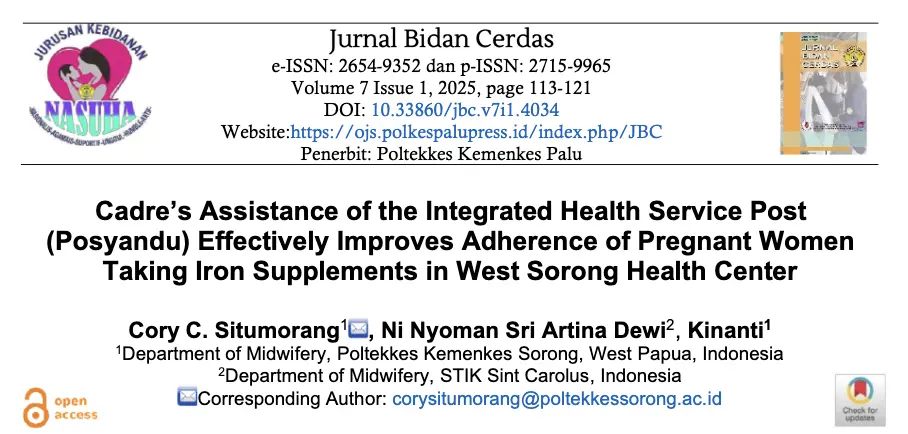 hared by newly joined QMNC member Kinanti from Indonesia, this study, Cadre’s Assistance of the Integrated Health Service Post (Posyandu) Effectively Improves Adherence of Pregnant Women Taking Iron Supplements in West Sorong Health Centre in Jurnal Bidan Cerdas, addresses maternal anemia as a contributor to postpartum haemorrhage and maternal mortality. Conducted at the West Sorong Health Center in Southwest Papua by Cory C. Situmorang, Ni Nyoman Sri Artina Dewi and Kinanti, the study evaluated whether assistance from integrated health service post (Posyandu) cadres using flip-sheet educational tools improved adherence to iron supplementation during pregnancy.
The results demonstrated significantly higher compliance among women in the intervention group compared to controls, with cadre-led support delivered over 14 days showing moderate effectiveness. The authors conclude that structured, community-based education and accompaniment can play an important role in improving maternal nutrition and reducing preventable risks in low-resource settings. In her QMNC profile where she has shared this research, Kinanti notes that engagement with the QMNC Framework Index may offer a useful lens for strengthening future efforts to improve the quality of maternal and newborn care in her region.
Continue the discussion about the paper here, or about QMNCFi here
Why Language Matters in Midwifery Education
Professional identity, power, and accountability beyond the language of “training”
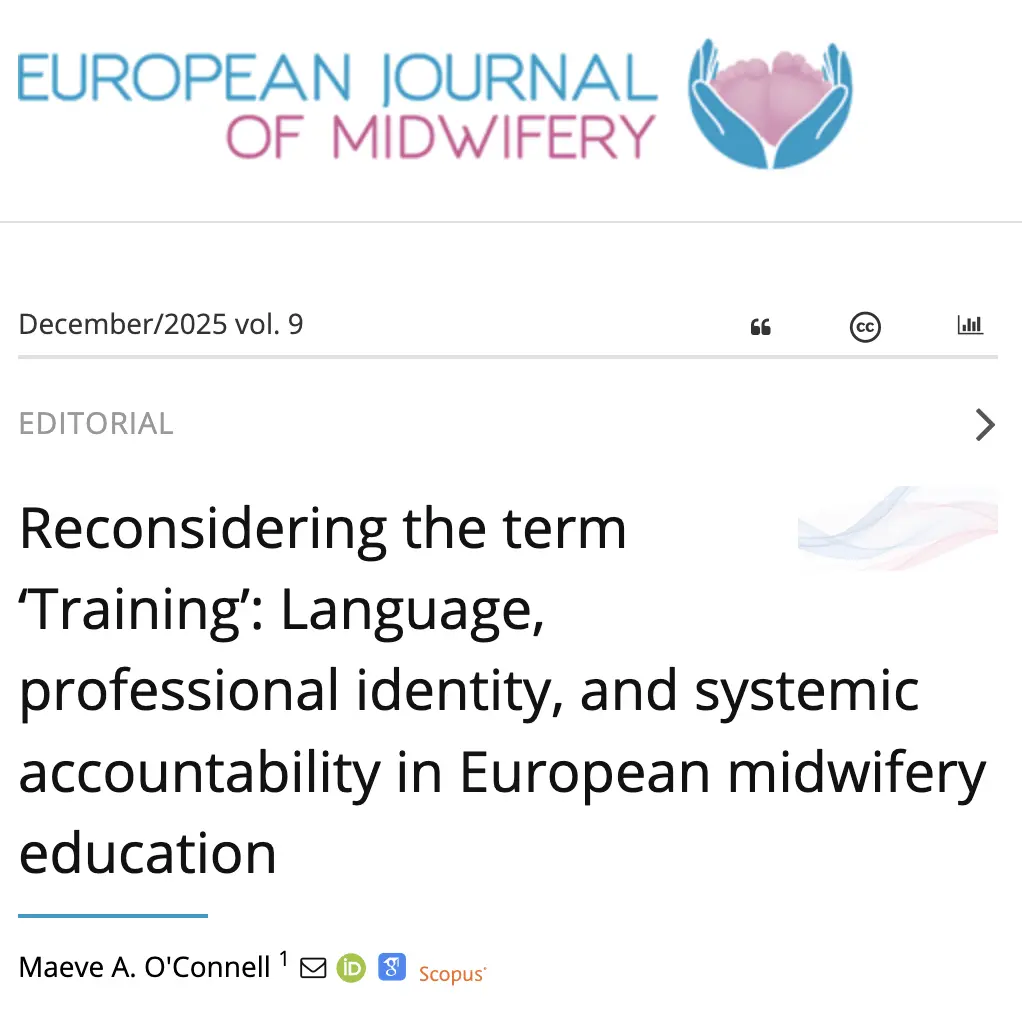 Maeve O'Connell has shared her editorial in the European Journal of Midwifery, "Reconsidering the term training: language, professional identity and systemic accountability," which explores how the language used to describe learning in midwifery and healthcare shapes how professions are valued, governed and held accountable. She argues that the routine use of the term "training" carries implicit assumptions about hierarchy, compliance, and technical skill acquisition that can undermine professional autonomy and obscure institutional responsibility. She invites readers to consider the impacts of our choices of words and urges the adoption of terminology that better reflects the complexity inherent in midwifery practice.
Continue the discussion here.
Thank you to everyone who shared their work and reflections this month. This collection illustrates the many ways researchers, clinicians, and communities are contributing to improved maternal and newborn care. Does this research resonate with your work or experience? Join the conversation by commenting below or engaging directly with the original posts shared by members of the QMNC Research Alliance.